
Blog

The Data Behind Gabe Landeskog's Return: Announcing Plantiga's First Founding Athlete
Announcing Gabe Landeskog — captain of the Colorado Avalanche, the longest-serving active captain in the NHL — as Plantiga's first Founding Athlete.
Plantiga 2.43
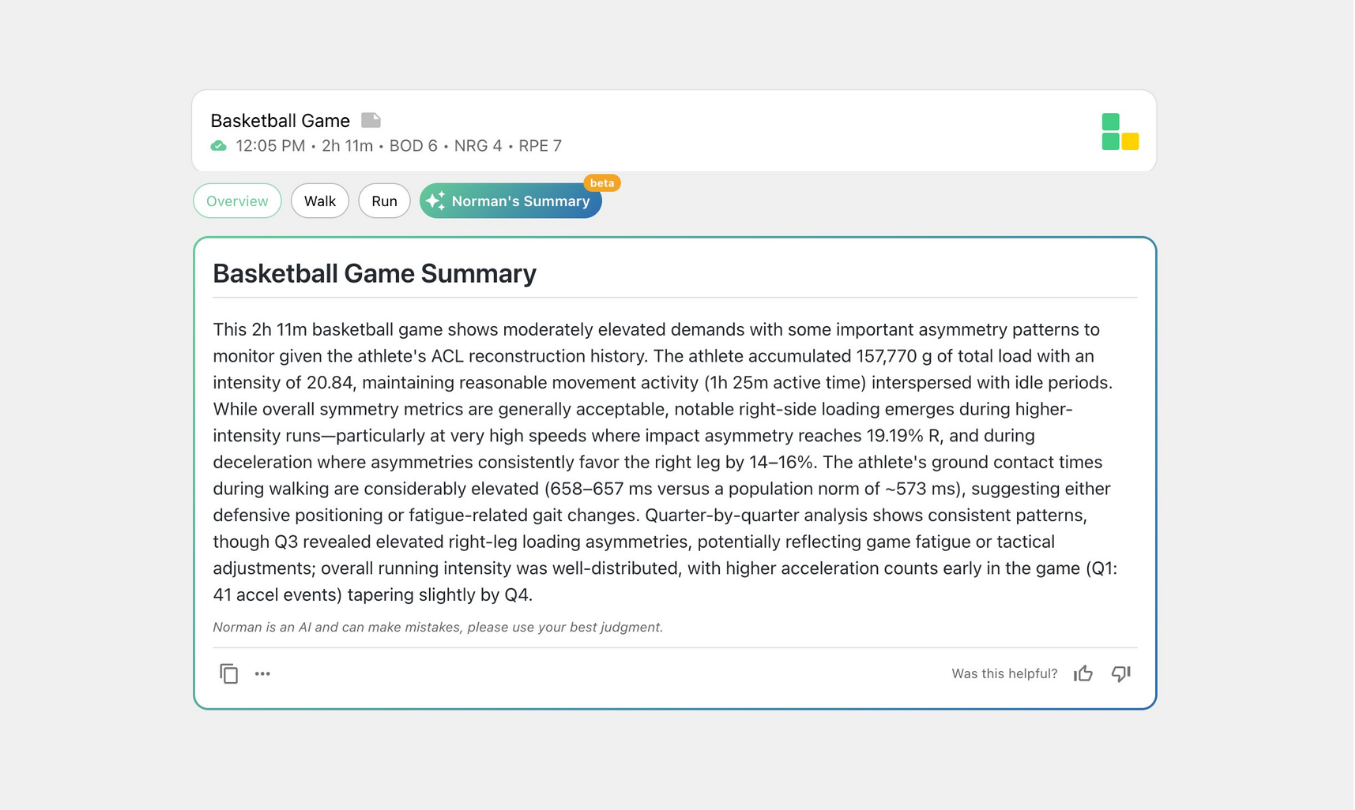
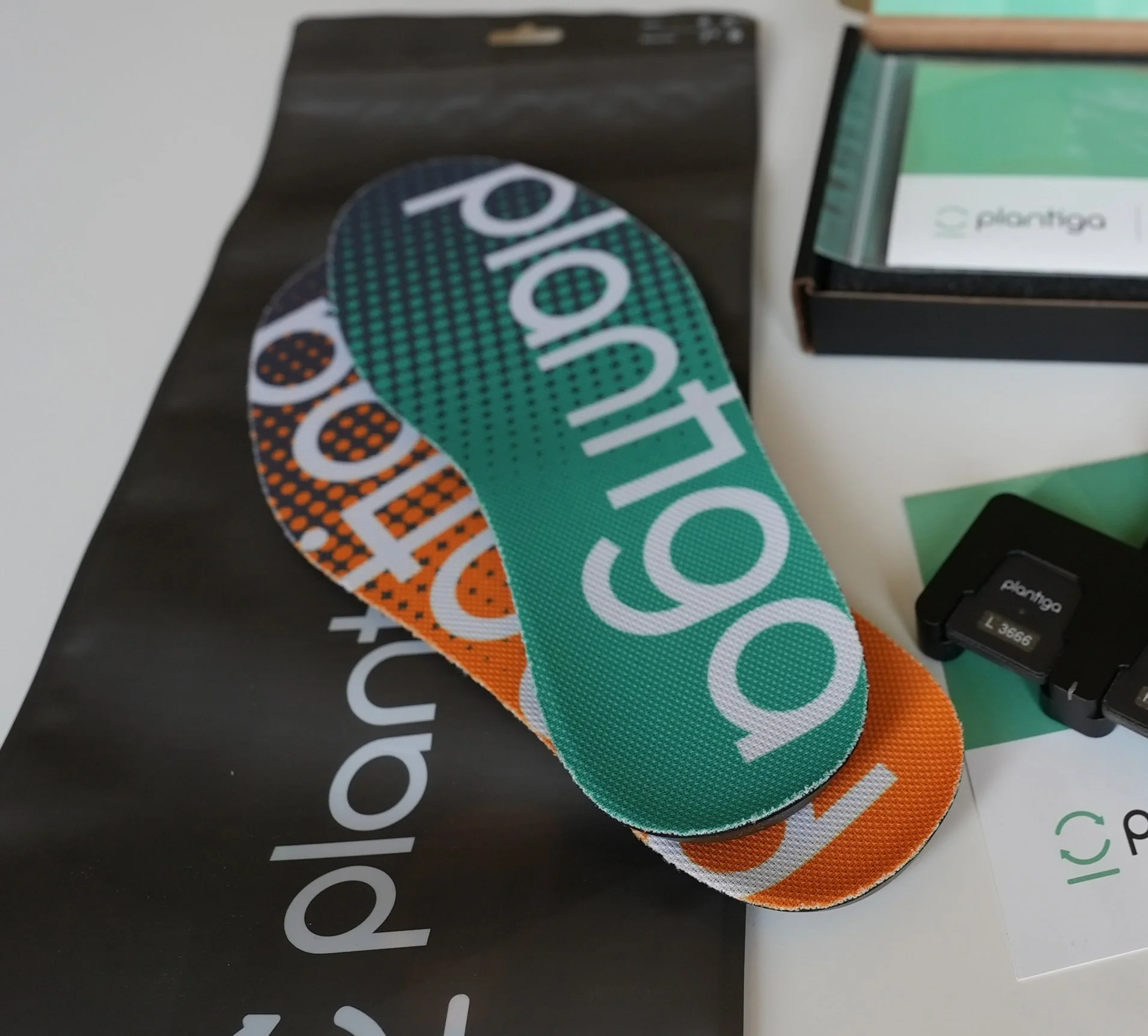
Product update: Learn page, self-serve purchases, Plantiga Shop, PlantigaTWO insoles, updated billing management + a teaser on Norman Summaries
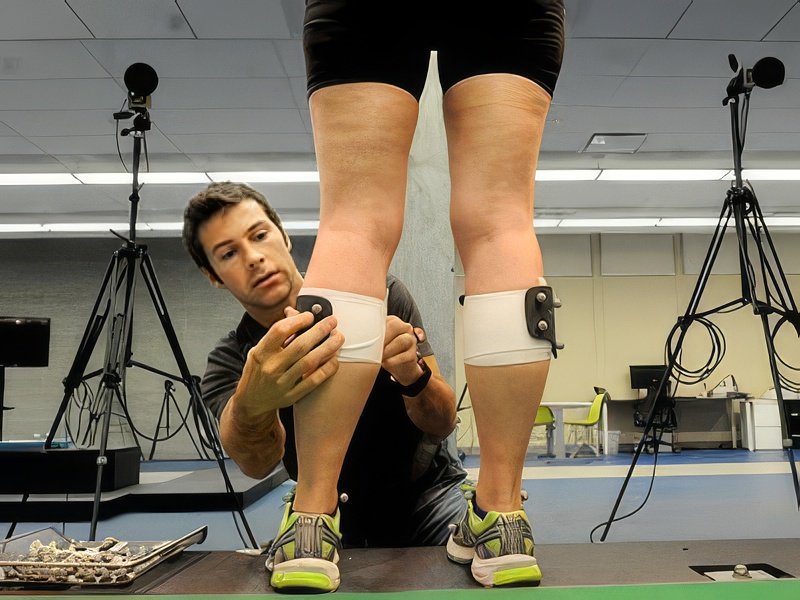
Running by the Numbers
How running physiotherapist, Chris Napier, is bringing lab-grade biomechanics into every assessment.
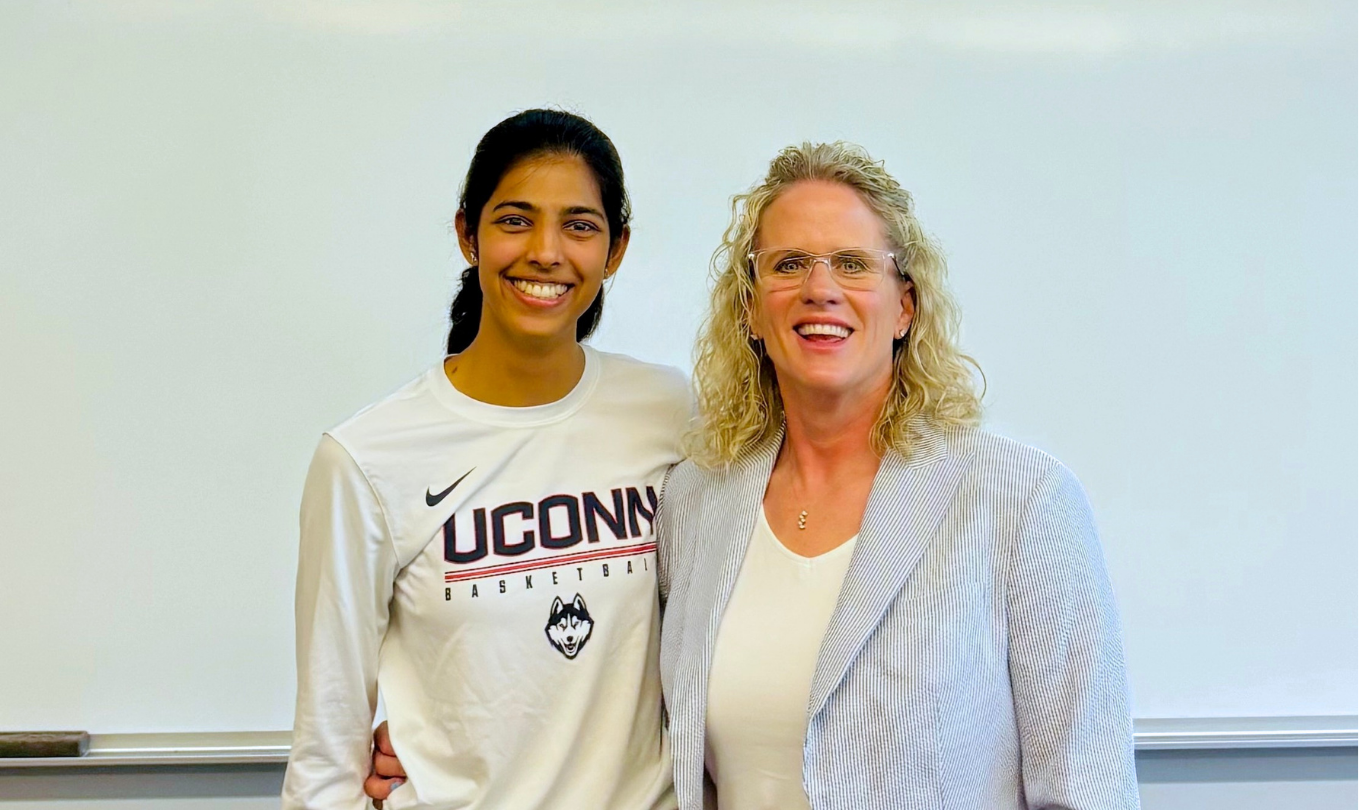
From Baseline to Game Day
How Hudy & Jui, the performance team for an NCAA Div 1 women’s basketball team, built a season-long movement intelligence system.

The Data Behind the Decision
How Joey Kalbas, Director of Data Analytics at a D1 Tennis Program, stopped guessing and started knowing.

Seeing the Whole Picture
How Professor John Cronin is redefining return-to-sport testing with Plantiga.
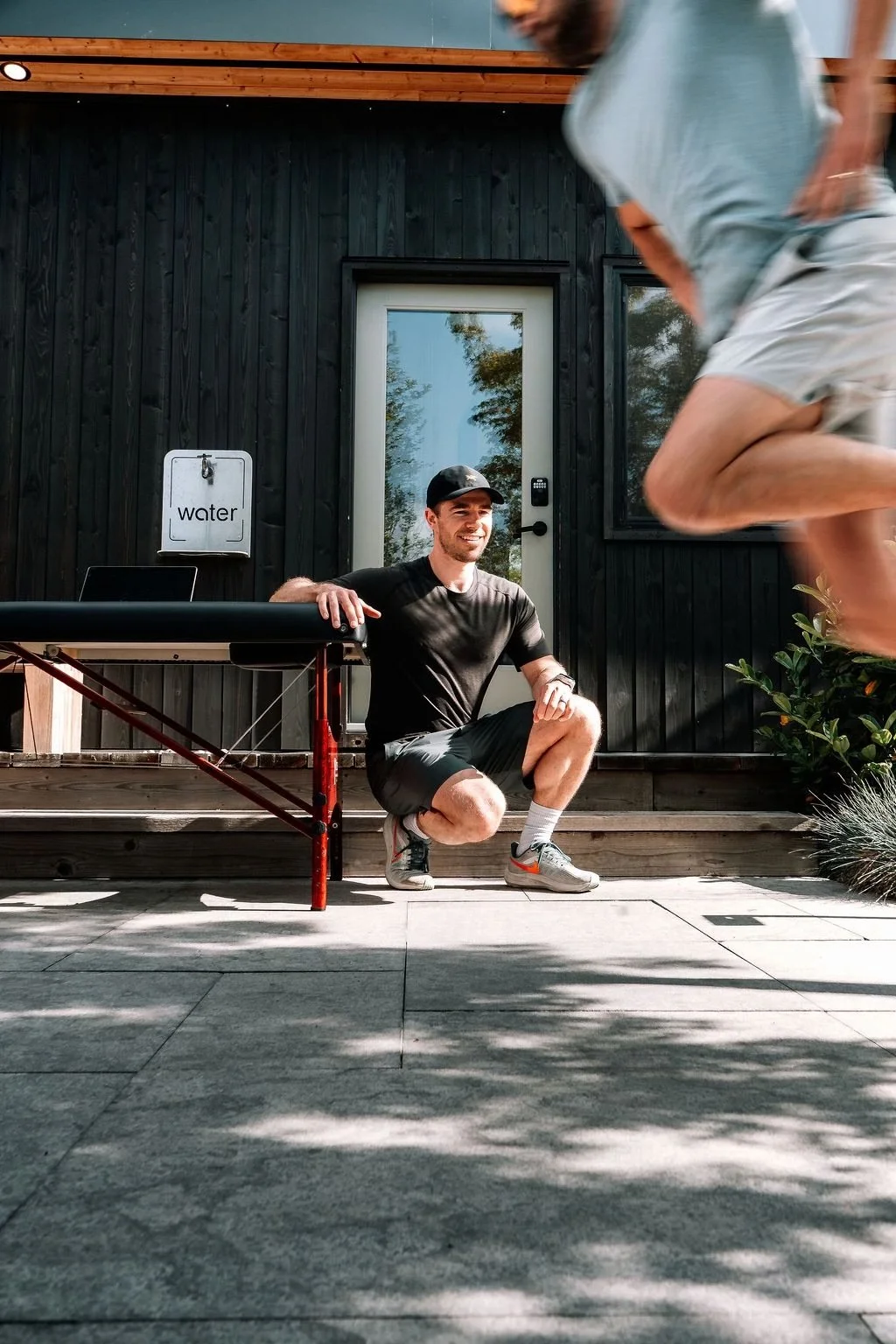
The Proof Behind the Progress
How Matt Redekopp, a Performance and Longevity Physiotherapist, stopped estimating and started measuring.
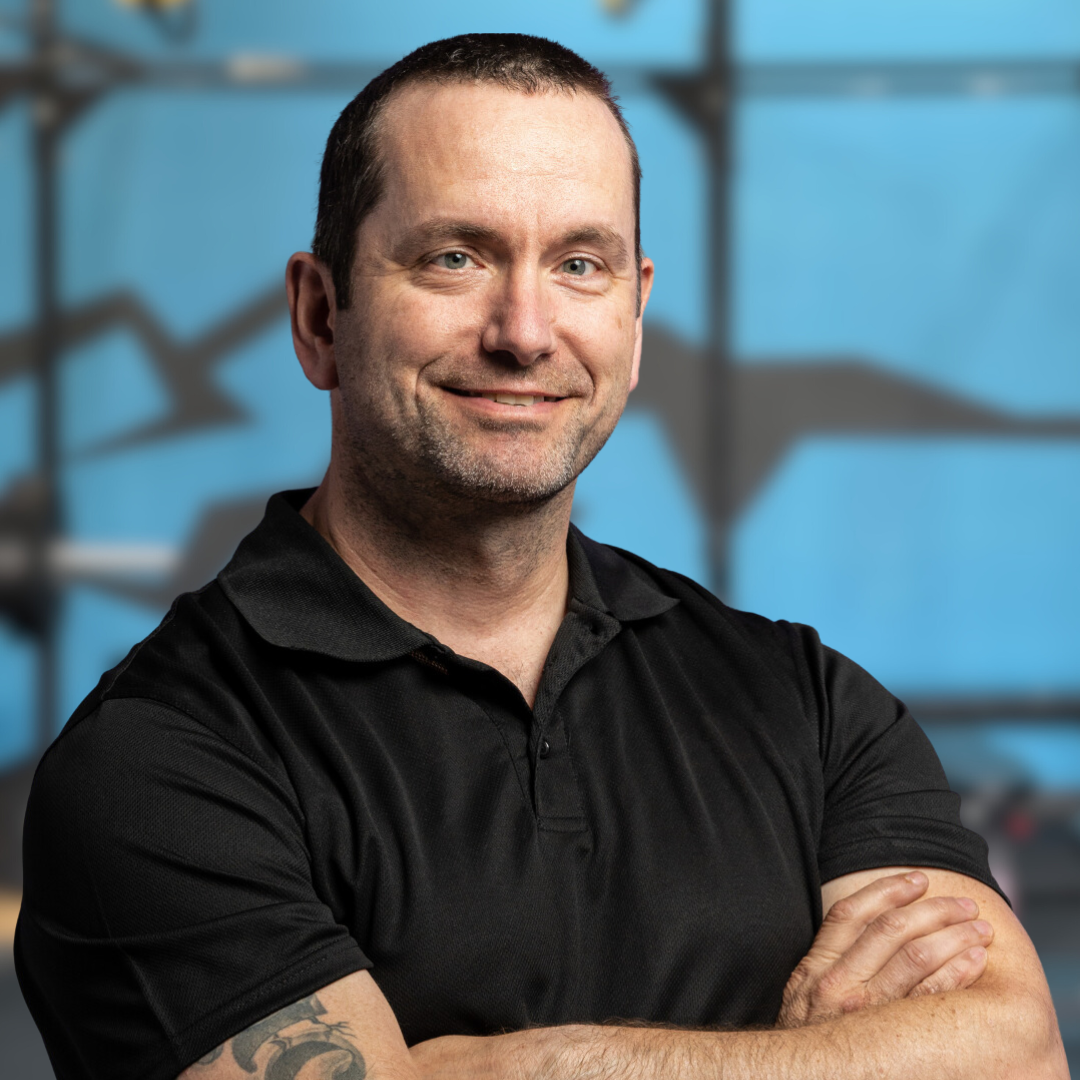
Doing More With Less
How Troy Beauregard, a Clinic Owner and Director of Sports Science, scaled without a team of staff.

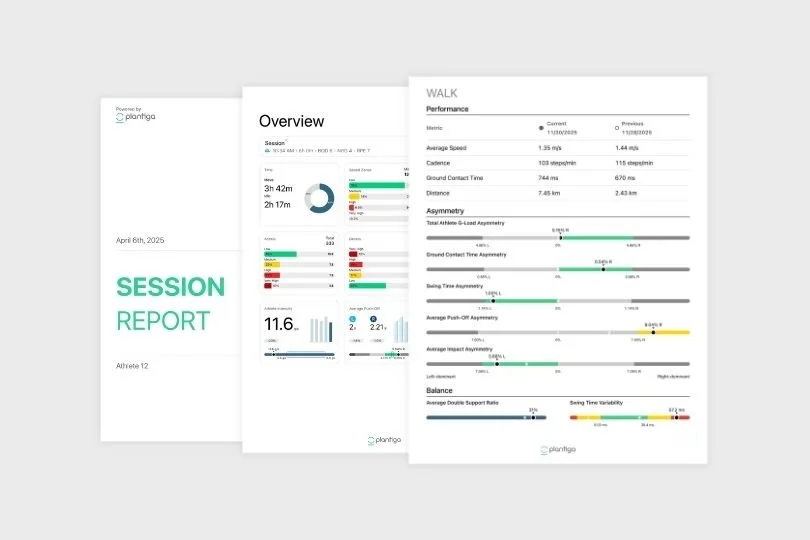
Unrivaled Announces Plantiga as Official Data & Movement Analytics Supplier
Plantiga is the official data and analytics supplier for Unrivaled Basketball’s second season.
Plantiga 2.42
Product update: Launching Norman (our AI), compute upgrades, Managed Services, improved reporting, and more
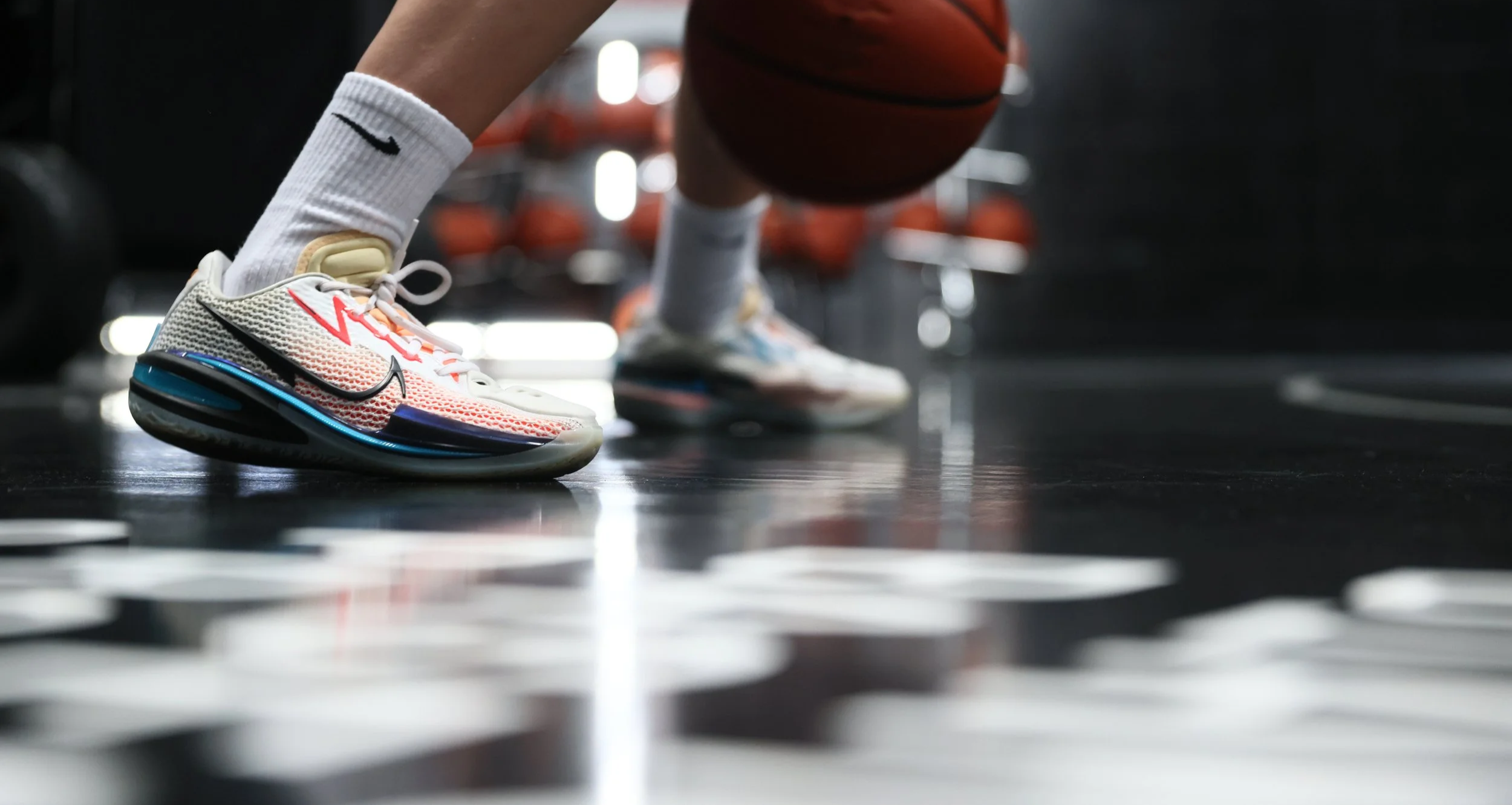
Understanding g-Load: The Measure of Mechanical Stress on Athletes
g-Load measures the accumulated mechanical stress on the body during movement.

Unlocking Plantiga for More Powerful Insights
Lauren Fridman goes through 9 of Plantiga’s latest and greatest features - from distance covered to asymmetries in speed bands to better customizations.
Significance and Application of Movement Data
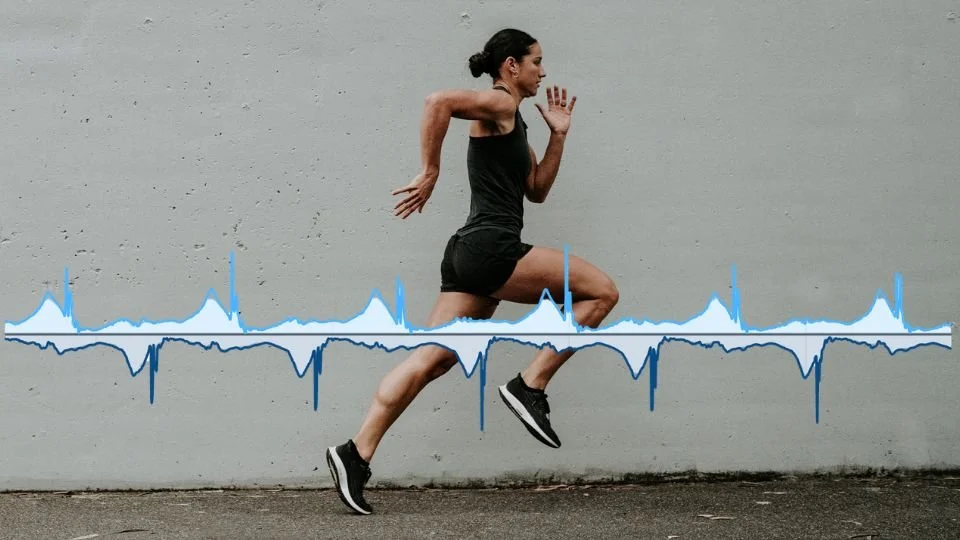
Movement signatures and how AI is shaping the world of movement health.
Plantiga 2.41
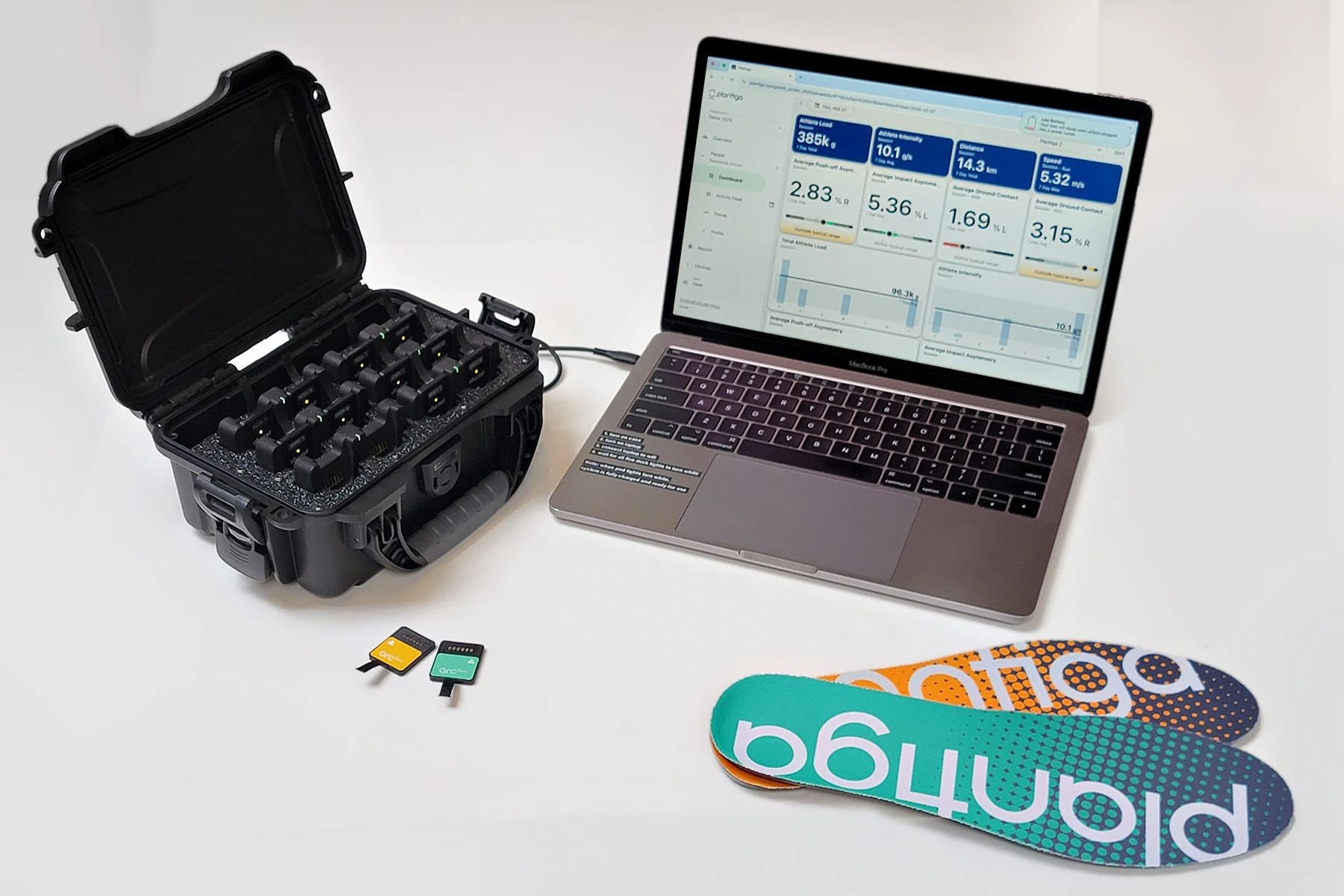
Product Update: Group Activity Editor, “Moments”, 903 Travel Case, and New Light Codes

Optimize Performance and Minimize Injury Risk in Soccer
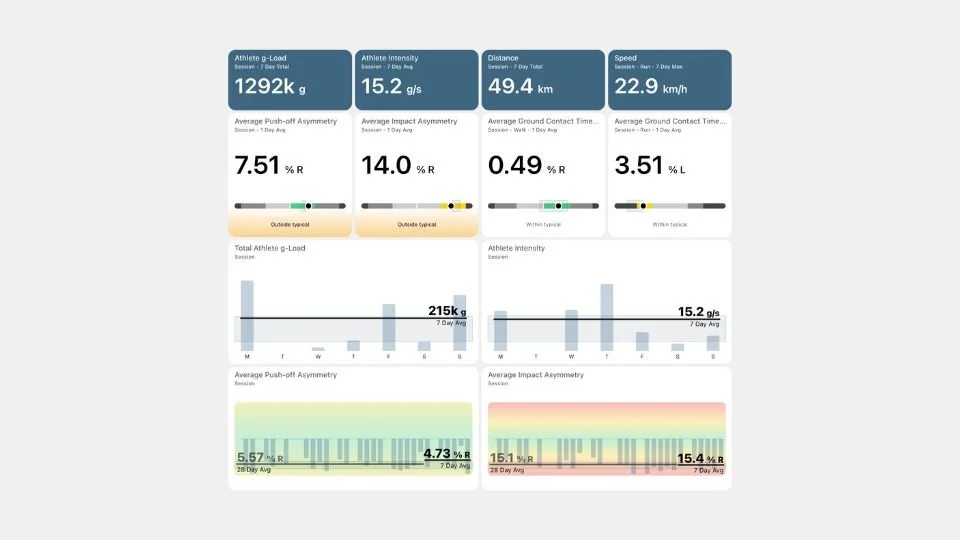
Three ways that one soccer player is leveraging Plantiga to stay ahead of injuries and optimize their game.

New Metric Feature: Distance Covered
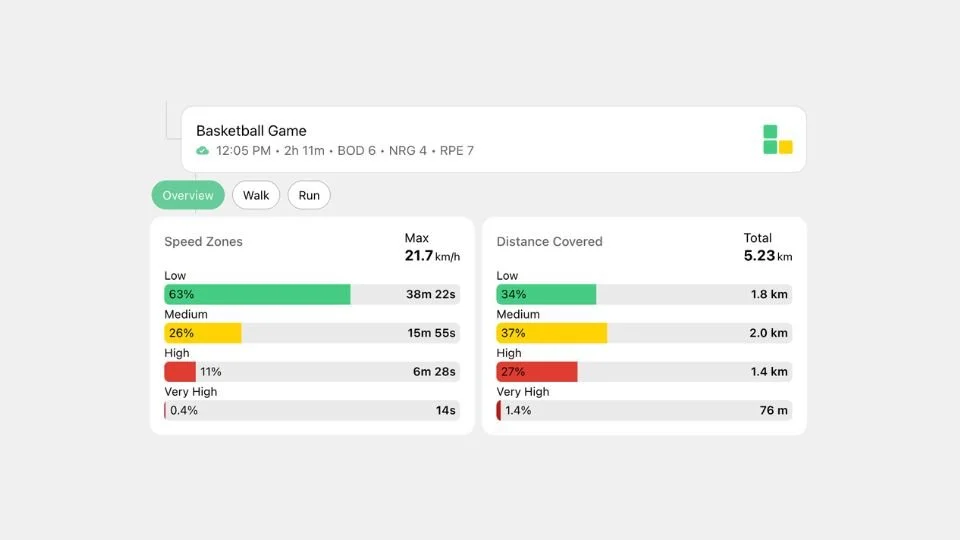
We are excited to announce another advancement in our athlete monitoring system with the release of our new Distance Covered metric.
Plantiga 2.39
Product update: Distance Covered, Subjective Questions, Simplified Site Views, Improved Algorithms, Better Plot Interactions
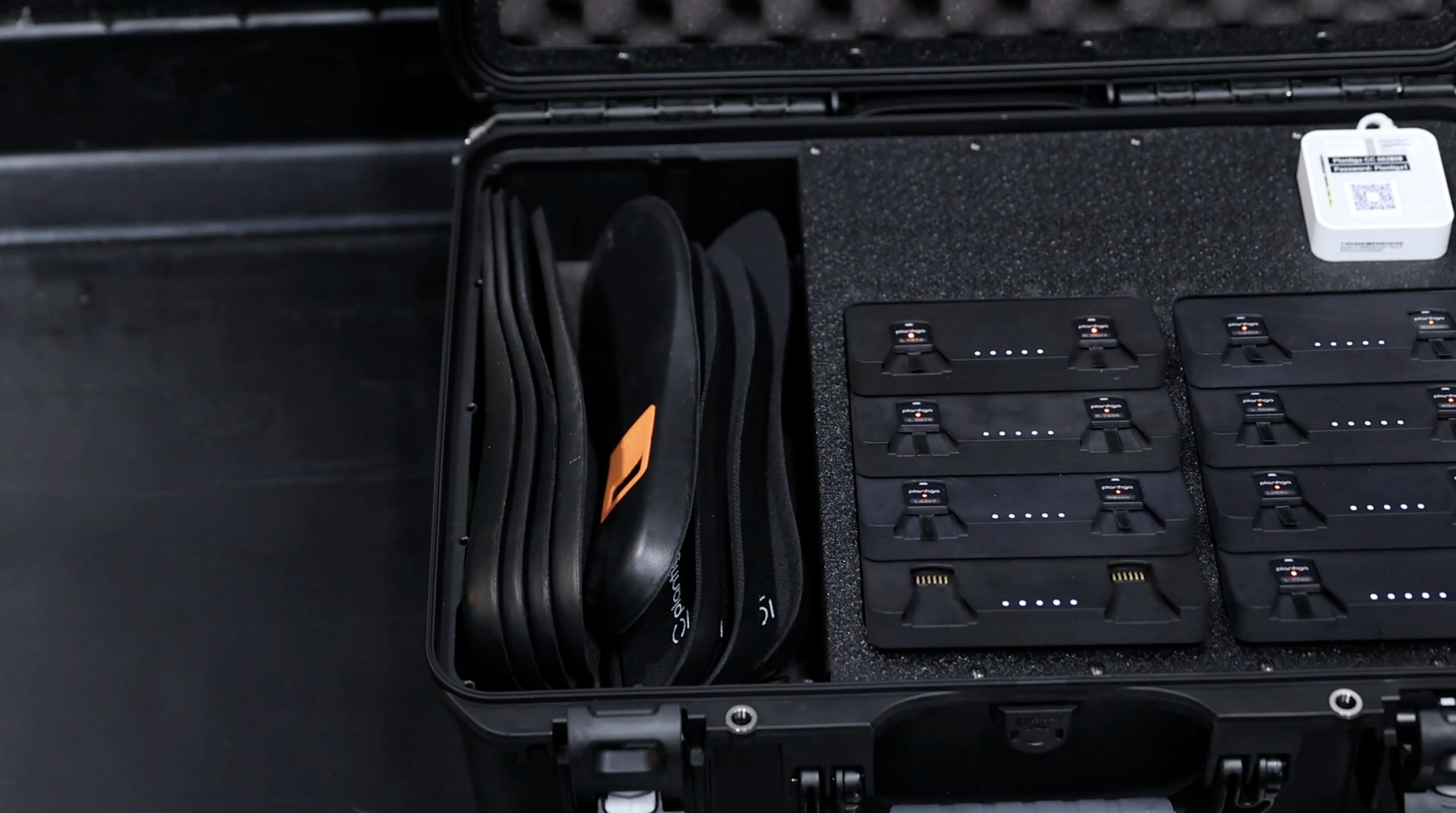
Plantiga 2.38
Product update: Arc5PRO, typical ranges, custom speed zones, auto-record, command centers